
We’ve all been there: those times when you’ve sold an item to a customer, prepped it for delivery, and it’s ready for shipping. But then, you get a surprise at the point of payment - the price on the dashboard looks different from what you already charged your customer. And you are now asking why?
Don’t panic - this article is for you. When you are done reading, you will know what actually happened and how to avoid such shipping surprises.
In the world of logistics, shipping starts long before the rider arrives at your door. It starts with a simple, crucial step: Getting the weight right. Accurate measurement isn't just about numbers; it’s about ensuring transparency, fairness, and a smooth journey for your package from your hands to its final destination. Whether you are shipping across Lagos, sending items outside Nigeria, or receiving shipments into Nigeria, knowing how to measure will save you time and money.
When you provide the correct weight on the Fez booking platform, you unlock several benefits:
In logistics, we use two primary methods to determine cost. Understanding the difference helps you prepare for logistics costs effectively.
This is the most straightforward method. It is the physical weight of your item measured on a scale after it has been fully packaged.
Sometimes, a package is very light but takes up a lot of space (like a large bag of cotton or a giant teddy bear). Because space is limited in delivery vehicles and planes, we calculate the "volume" the package occupies.
To find this, we use a standard formula:
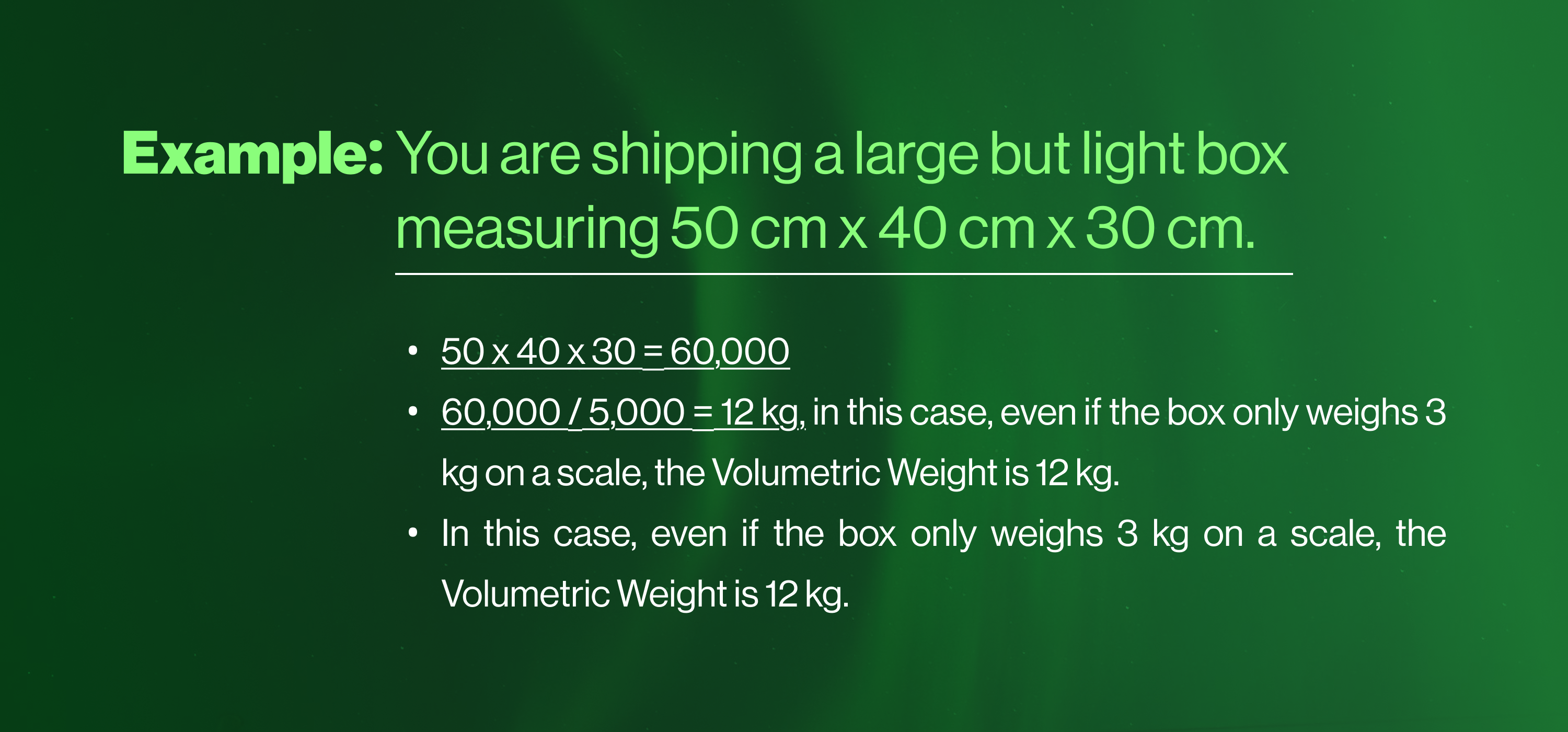
At the end of the day, we compare the Actual Weight and the Volumetric Weight. The higher of the two becomes your Chargeable Weight. This is the standard practice used by carriers worldwide to ensure fairness and efficiency.
Coming Up Next: Wondering which category your specific item falls into? In our next post, we will highlight common items and the standard measurement methods used for them.
Ready to get started?
Visit www.fezdelivery.co today to book your next shipment, and share this guide with a business owner that does regular shipping!
Follow us on social media for more tips, promotions, and logistics hacks!
.png)